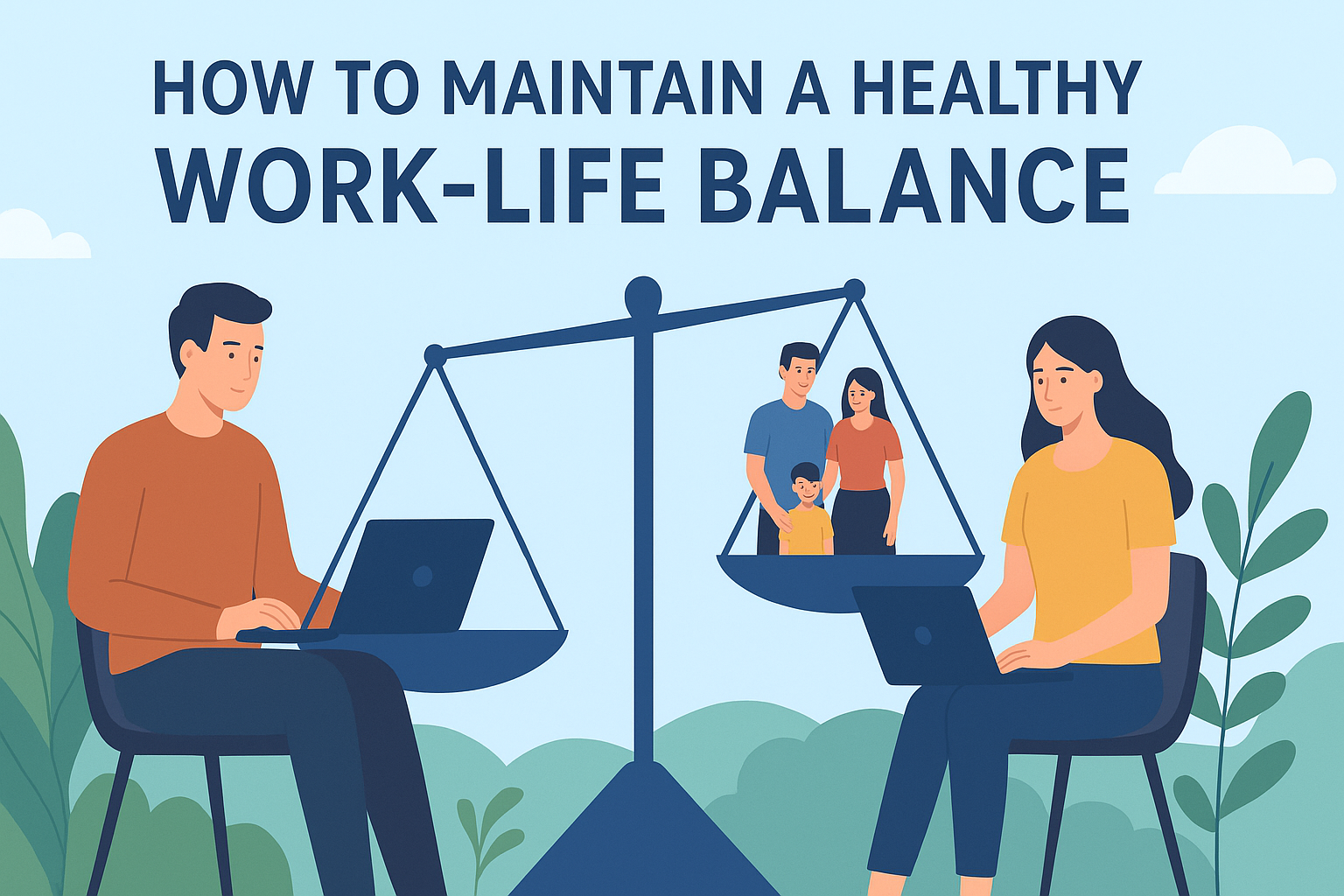
In today’s fast-moving world, balancing work and personal life has become one of the biggest challenges for both men and women. Between deadlines, meetings, and family responsibilities, many people struggle to find time for themselves.
But achieving a healthy work-life balance isn’t impossible. With the right mindset and smart strategies, you can manage your time effectively, stay healthy, and live a more fulfilling life.
💼 What Is Work-Life Balance?
Work-life balance means maintaining a healthy relationship between your professional commitments and personal well-being. It’s about ensuring that work doesn’t consume your energy, leaving no time for rest, hobbies, or family.
A good balance helps you:
- Stay mentally relaxed and emotionally stable
- Improve productivity and creativity
- Strengthen relationships with family and friends
- Enjoy better physical and mental health
When work and life are balanced, you don’t just perform better — you feel better.
⚡ Why Work-Life Balance Is Important
Neglecting your personal life for work can lead to stress, burnout, and even health problems like anxiety, insomnia, and heart issues. On the other hand, people who maintain balance are happier, healthier, and more successful in the long term.
For both men and women, achieving this balance means:
- More time for self-care and exercise
- Reduced stress and fatigue
- Increased focus and motivation
- Stronger family bonds and social life
- A deeper sense of life satisfaction
🕒 Practical Tips to Maintain Work-Life Balance
Here are some realistic, effective strategies to bring balance to your daily routine:
1. Set Clear Boundaries
Decide when your workday starts and ends — and stick to it. Avoid checking work emails or messages after hours. This separation helps your mind switch off from work mode.
2. Plan Your Day Smartly
Use a planner or digital calendar to schedule tasks. Prioritize what’s important and don’t overload your to-do list. A well-structured day reduces chaos and stress.
3. Learn to Say “No”
You don’t have to accept every project or invitation. Saying “no” politely but firmly helps you protect your time and energy for what truly matters.
4. Take Short Breaks
Avoid sitting for hours without rest. Step away from your desk, stretch, or take a short walk. Even 5-minute breaks boost focus and productivity.
5. Make Time for Exercise
Regular physical activity improves energy, mood, and health. A morning jog, yoga session, or home workout can make a big difference.
6. Prioritize Sleep
Lack of sleep can harm both your work and personal life. Aim for 7–8 hours of quality sleep to keep your body and mind refreshed.
7. Spend Quality Time with Loved Ones
Strong relationships are key to emotional well-being. Dedicate time each day to connect with family and friends — even if it’s just a short conversation.
8. Pursue a Hobby or Passion
Doing something you love outside of work keeps your mind creative and stress-free. Whether it’s painting, reading, or gardening — make time for it.
9. Disconnect from Technology
Set aside “tech-free” hours daily. Avoid checking your phone before bed or during meals. This digital detox helps you stay present and peaceful.
10. Seek Support When Needed
If you feel overwhelmed, talk to a friend, mentor, or counselor. Sometimes, sharing your thoughts brings clarity and relief.
🌿 Maintaining Mental and Emotional Health
Your mental health is just as important as your physical well-being. Practice mindfulness, meditation, or deep breathing exercises to manage stress.
Remember, a calm mind is more productive than a busy one. Regular mental breaks help you think clearly and perform better at work.
💬 Final Thoughts
Maintaining a healthy work-life balance is not about dividing your time equally between work and personal life — it’s about finding harmony between the two.
By setting boundaries, managing time, and prioritizing self-care, you can achieve a lifestyle that supports your success and happiness.
Balance is not something you find; it’s something you create — one mindful choice at a time.
⚠️ Disclaimer
This article is for informational and educational purposes only. It does not replace professional advice. If you are experiencing chronic stress, burnout, or mental health challenges, consult a qualified health or wellness expert for personalized guidance.